How architects and builders can spec roller shutters for new developments
Architects and builders who specify roller shutters at the design stage avoid costly retrofits later. This single decision, taken early rather than later, decides whether a development meets energy, security, and compliance criteria without the need for rework.
New developments across Adelaide face specific pressures: extreme summer heat, strict energy efficiency targets and, in many outer suburbs, bushfire attack level requirements. Roller shutters address all three, but only when specified correctly from the start. Getting the sizing, operation type, and compliance details wrong at the documentation stage mean expensive changes during construction.
This guide breaks down exactly what architects and builders need to include in a roller shutter specification for new developments in Adelaide. It covers compliance standards, climate considerations, and how to work with a roller shutter expert like iDeal Roller Shutters in Adelaide from the design phase through to project completion.
Why Roller Shutters Deserve a Place in Early Design Discussions
Roller shutters are often treated as an add-on, chosen after a building’s design is finalised. This approach limits their effectiveness.
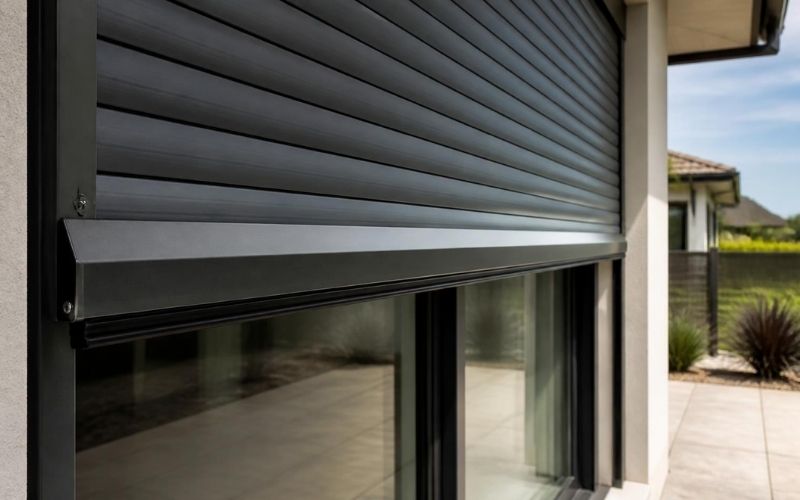
When architects specify roller shutters in Adelaide developments during the design phase, they can align shutter placement with window sizing, façade lines, and energy targets from the outset. This avoids awkward retrofits and ensures the shutters function as intended — for security, insulation, and light control.
Builders benefit too. Early specification means accurate costing, fewer variations during construction, and a smoother handover to homeowners or tenants.
Key Specifications to Include in the Design Brief
A complete roller shutter specification should cover material, operation, and sizing. Leaving any of these vague creates delays later.
Material and Finish Options
- Aluminium slats for durability and low maintenance
- Powder-coated finishes to match façade colour schemes
- UV-stabilised coatings for Adelaide’s harsh summer sun
Manual vs Motorised Operation
Manual shutters suit budget-conscious residential projects. Motorised shutters suit commercial builds and higher-end residential developments, where convenience and accessibility are important.

Specify the operation type early. Motorised systems require wiring conduit to be planned into the build, which is far harder to add after construction.
Sizing and Window/Door Integration
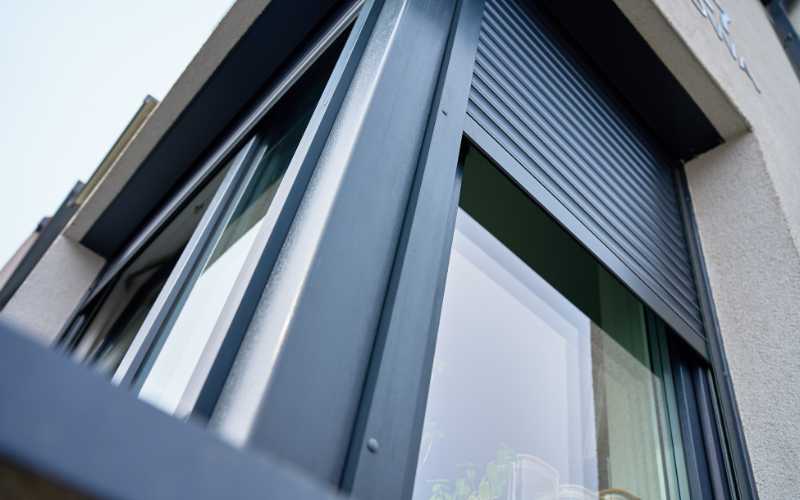
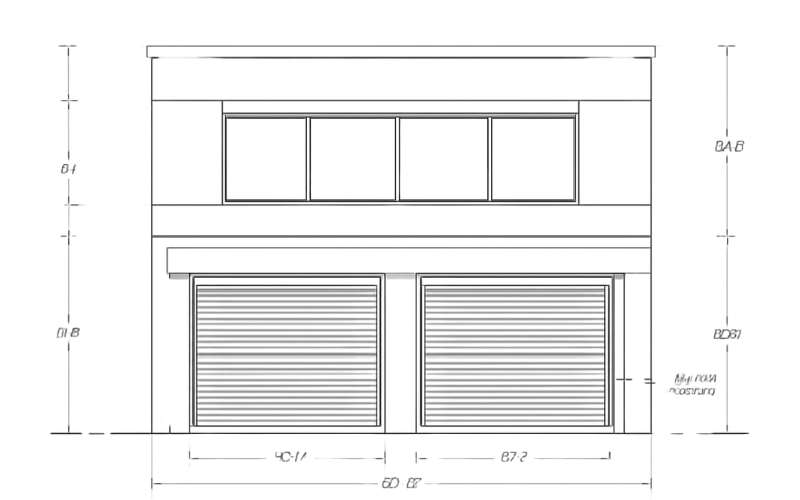
Shutter boxes and guide rails need to be built into the façade design, not bolted on afterwards. Architects should confirm shutter dimensions against final window and door schedules before construction drawings are locked in.
Meeting Australian Building Standards and Compliance
Roller shutters specified for new developments must align with several Australian standards.
NCC Requirements for Roller Shutters
The National Construction Code sets requirements for structural performance, fire safety, and accessibility. Roller shutters used on commercial buildings or high-density residential developments need to meet relevant NCC provisions for their classification.
BASIX and NatHERS Energy Ratings
Roller shutters contribute to a building’s thermal performance. Including them in BASIX or NatHERS modelling can help a development meet mandatory energy efficiency targets, particularly for west-facing glazing that is exposed to afternoon heat.
WERS Ratings and Thermal Performance
The Window Energy Rating Scheme (WERS) measures how window and shading systems perform for heating and cooling. Roller shutters with a strong WERS contribution can reduce a building’s reliance on mechanical heating and cooling.
Bushfire Attack Level (BAL) Considerations for SA Developments
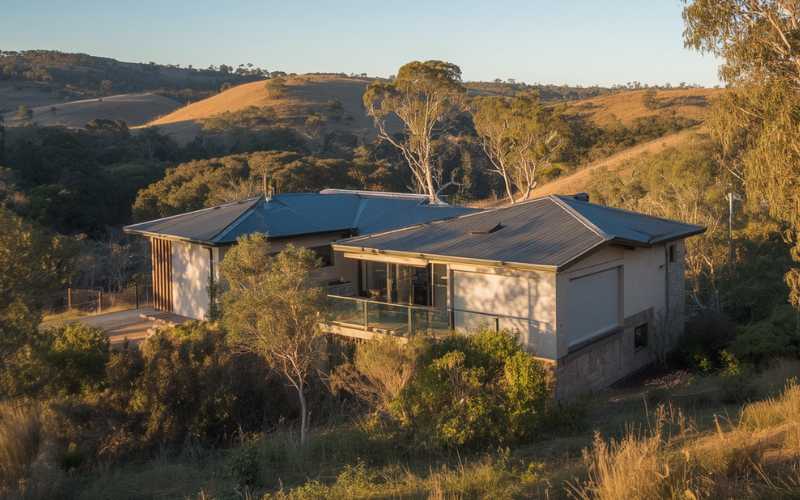
Bushfire attack level regulations apply to many outside Adelaide expansion regions, especially the Hills Face Zone and communities near to wilderness. Roller shutters can contribute to BAL compliance by protecting glazing from radiant heat and ember attack, but the shutter material and fixing method must meet the relevant BAL rating for the site.
Residential vs Commercial Specification Differences
Residential and commercial projects require different specification priorities.
- Residential builds typically prioritise aesthetics, energy efficiency, and manual or basic motorised operation
- Commercial builds prioritise security, durability under high-frequency use, and compliance with accessibility and fire standards
- Commercial developments often require centralised control systems, allowing multiple shutters to be operated as a group
Architects should clarify which category a project falls under early, since this affects material grade, operation type, and compliance pathway.
Designing for Adelaide’s Climate and Coastal Conditions

Adelaide’s climate creates specific demands for roller shutter specifications.
Summer heat and intense UV exposure mean shutters need UV-stable materials that won’t fade or warp over time. Specifying shutters with strong thermal performance also helps reduce cooling costs for homeowners and tenants, supporting a development’s overall energy rating.
Coastal developments face an additional challenge: salt air corrosion. Builds near the coast, including Henley Beach-style roller shutter projects, need corrosion-resistant fixings and finishes to prevent premature wear. Standard fixings that perform well inland can fail faster in coastal conditions.
Timing the Spec: When to Involve a Roller Shutter Supplier
Roller shutter suppliers should be brought into the conversation at the schematic design stage, not during construction.
Early involvement allows a supplier to:
- Confirm product availability and lead times against the build program
- Advise on compliance requirements specific to the site
- Provide accurate costing for tender or contract documentation
Waiting until construction to finalise shutter specifications risks delays, especially for motorised systems requiring electrical coordination.
Working with a Trade Supplier for Bulk and Ongoing Projects
Developers and builders managing multiple dwellings benefit from working with a single trade supplier across a project.
A trade relationship with a supplier like iDeal Roller Shutters means consistent product quality across every dwelling in a development. It also simplifies warranty management and future servicing.
This matters beyond the initial build. Developments need ongoing access to roller shutter parts that Adelaide builders and facilities managers can rely on, so repairs or replacements don’t compromise the original specification over time.
Getting Roller Shutter Specification Right from the Start
Specifying roller shutters correctly at the design stage saves time, cost, and compliance headaches later. Architects and builders who bring shutter specifications into early documentation avoid retrofits, meet energy and bushfire requirements with confidence, and deliver a better result for developers and end users alike.
iDeal Roller Shutters works directly with architects, builders, and developers across Adelaide to get specifications right from the outset. From material selection and compliance guidance through to bulk supply and long-term parts support, the team helps new developments meet their design and performance targets without surprises during construction.
Ready to Specify Roller Shutters for Your Next Development?
Contact iDeal Roller Shutters today to discuss your project’s requirements and get trade pricing for your build.