How Winter Weather Affects Roller Shutter Motors and Tracks in Adelaide

Winter weather affects roller shutter motors and tracks in Adelaide through moisture and condensation, not freezing temperatures. Cold nights and damp days let water build up inside motor housings and guide tracks. Aluminium components also contract slightly in the cold, which throws tracks out of alignment and causes shutters to stick.
Many homeowners assume roller shutter problems only happen in snowy climates. That’s not the case in Adelaide. Local humidity, coastal salt air, and sharp temperature swings between day and night create their own risks. A shutter that worked perfectly in summer can start sticking, grinding, or failing to respond by mid-July.
This blog explains exactly how Adelaide’s winter conditions affect roller shutter motors and tracks, suburb by suburb, and what you can do to prevent costly repairs before the season causes damage.
Key Takeaways
- Moisture and humidity, rather than freezing temperatures, pose the greatest threat to roller shutters in Adelaide during the winter.
- Cold causes aluminium tracks to contract slightly, which can misalign guides and cause shutters to stick or jam.
- Electric motors are vulnerable to condensation build-up inside the housing, which can cause corrosion and electrical faults.
- Coastal Adelaide suburbs face added risk from salt-laden moisture, while Hills Face Zone properties deal with sharper temperature swings.
- Regular winter servicing, such as lubrication, sensor checks and track clearing, can avoid the majority of cold-weather roller shutter breakdowns.
What Makes Adelaide Winters Hard on Roller Shutters?
Adelaide winters are hard on roller shutters because of moisture and humidity, not freezing temperatures. Adelaide rarely drops below 5°C, so ice is not the main threat. Instead, cool nights combine with damp air to create condensation inside motor housings and guide tracks.
This is different from colder climates, where the biggest risks are frozen springs and snow load. In Adelaide, the risk is slower and less obvious. Moisture sits inside components for weeks at a time. It causes corrosion, electrical faults, and gradual wear that owners often don’t notice until the shutter fails.
Homeowners across roller shutter Adelaide properties experience this most in July and August, when overnight temperatures drop and daytime humidity stays high.

How Does Cold and Moisture Affect Roller Shutter Motors?
Cold and moisture affect roller shutter motors by causing condensation to build up inside the motor housing. This moisture can corrode electrical contacts and interfere with the motor’s internal wiring.
Why Do Electric Motors Struggle in Winter?
Electric motors struggle in winter because cold air makes lubricants inside the motor thicken slightly. Thicker lubricant increases resistance, forcing the motor to work harder to open and close the shutter. Over time, this added strain shortens motor lifespan and increases the risk of failure.
Motors that are already older or under-serviced are more likely to show symptoms first. Common signs include slower operation, a straining sound, or the motor stopping partway through a cycle.
Can Condensation Damage a Roller Shutter Motor?
Condensation can damage a roller shutter motor by corroding internal electrical components. This happens when warm air inside the headbox meets a cold motor casing, causing water droplets to form on internal surfaces.
Left untreated, this corrosion can affect circuit boards, sensors, and wiring connections. In commercial settings, this is one of the most frequent causes of commercial shutter repairs during the winter months, particularly for shopfronts with shutters facing south or shaded from direct sun.
How Does Cold Weather Affect Roller Shutter Tracks?
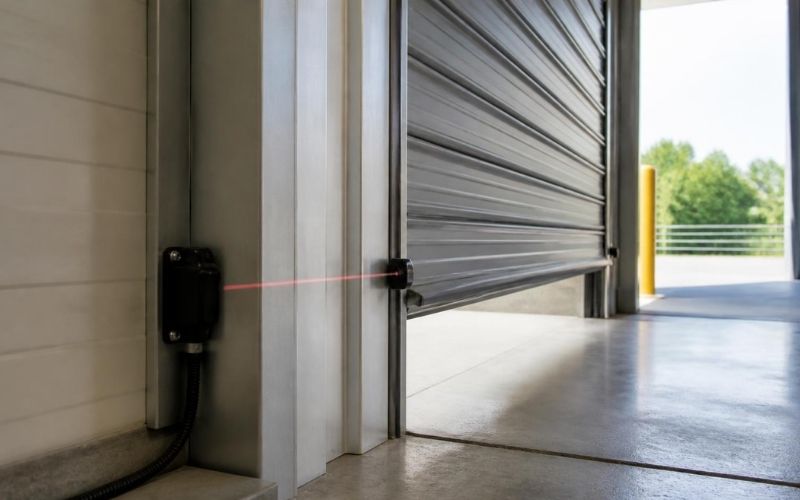
Cold weather affects roller shutter tracks by causing the aluminium to contract slightly. This contraction can shift the tracks out of alignment, making the shutter curtain harder to move smoothly.
Why Do Roller Shutters Jam or Stick in Winter?
Roller shutters jam or stick in winter mainly because of moisture and debris trapped inside the guide channels. Cooler air holds less moisture in suspension, so water condenses more readily inside tracks overnight. This moisture mixes with dust and grit, creating a gritty residue that increases friction.
Combined with slight track misalignment from contraction, this residue makes the curtain stick or move unevenly. In more severe cases, it can pull the curtain off the track altogether.
Does Aluminium Contract in Cold Weather?
Aluminium does contract in cold weather, though the shift is small. Aluminium has a thermal expansion coefficient of roughly 23 micrometres per metre per degree Celsius. Over a normal shutter track length, a 15°C day-to-night swing can displace components by a fraction of a millimetre, affecting alignment on shutters that are already slightly worn or poorly fitting.
This is why shutters installed with tight tolerances, or those that haven’t been serviced in over a year, are more prone to winter sticking than well-maintained systems.

Do Coastal and Hills Face Zone Suburbs Face Different Winter Risks?
Coastal and Hills Face Zone suburbs do face different winter risks. Coastal areas like Henley Beach and Semaphore combine winter humidity with salt-laden sea air, which speeds up corrosion on metal components and electrical contacts.
Hills Face Zone properties face a different challenge: sharper day-to-night temperature swings. Elevated suburbs can see larger temperature drops overnight than the Adelaide Plains, which increases the rate of thermal contraction described above. These properties often need more frequent track alignment checks through winter.
How Often Should Roller Shutters Be Serviced in Winter?
Roller shutters should be serviced at least once before winter begins, ideally in early autumn. This allows technicians to clean tracks, check seals, and lubricate components before humidity levels rise.
Commercial properties and security shutters installations in Adelaide, which tend to operate more cycles per day, benefit from a mid-winter check as well. High-use shutters wear faster and show winter-related strain sooner than low-use residential units.
What Are the Warning Signs of Winter-Related Roller Shutter Damage?
The warning signs of winter-related roller shutter damage include:
- Slower or uneven movement when opening or closing
- A grinding or straining sound from the motor
- Visible moisture or rust inside the headbox
- The shutter stopping partway through a cycle
- Increased resistance when operating manually
Catching these signs early prevents a minor issue from becoming a full motor or track replacement.
How Can You Protect Roller Shutter Motors and Tracks This Winter?
You can protect roller shutter motors and tracks this winter by combining regular cleaning, lubrication, and a pre-winter inspection.
- Clear debris from tracks every few weeks during winter
- Apply a silicone-based lubricant to guide channels, not grease, which thickens in the cold
- Check headbox seals for gaps that let in moisture
- Book a professional inspection before the coldest months set in
- Address any unusual noise or resistance immediately, rather than waiting
How Can You Keep Your Roller Shutters Running Through Adelaide’s Winter?
Winter doesn’t need snow or ice to damage a roller shutter. In Adelaide, moisture, humidity, and thermal contraction do the damage slowly and quietly, until a motor strains or a track jams. Regular servicing before and during winter is the simplest way to avoid an unexpected failure.
At iDeal Roller Shutters, we service and repair roller shutters across Adelaide, from coastal properties dealing with salt air to Hills Face Zone homes managing sharper temperature swings. If your shutter has started sticking, slowing down, or making unusual noise this winter, don’t wait for it to fail completely.
Book a Winter Roller Shutter Inspection
Get in touch with our team today for a winter roller shutter inspection and keep your motors and tracks running smoothly all season.